
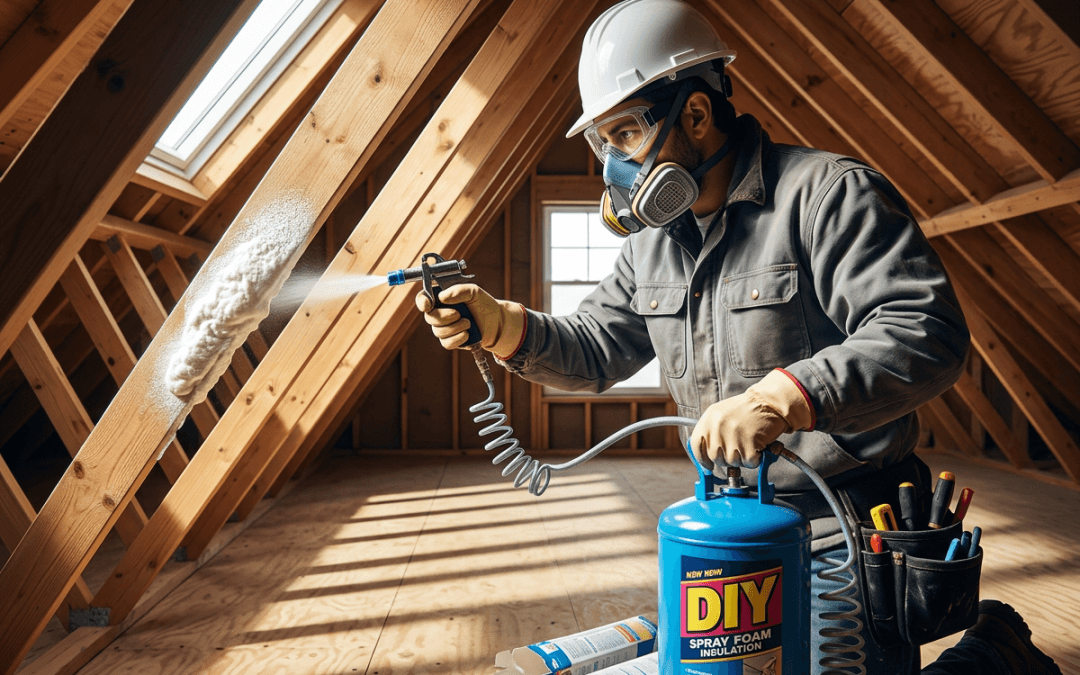
Thinking about DIY spray foam insulation on Vancouver Island? It’s tempting to save money by doing it yourself, but spray foam demands careful handling and strict code compliance. From safety gear to moisture control and choosing between WALLTITE or ENERTITE, there’s a lot to consider before you start. Keep reading to learn when a professional spray foam installation makes the most sense—and how to get a free, detailed quote from a Certified Foam Master. For more insights on DIY spray foam, check out this guide.
DIY Spray Foam Safety Tips
Spray foam insulation can be a game-changer, but safety is key. Taking the right precautions will protect you and your home.
Essential Safety Equipment
When tackling spray foam insulation, having the right gear is vital. You’ll need goggles, gloves, and a respirator to safeguard against chemicals. Additionally, a coverall suit is essential to keep your skin safe from contact with the foam. The foam can expand and stick to surfaces, including your skin. Using these items helps prevent irritation and injury during installation.
It’s not just about your safety; proper gear also ensures a better application. With full protection, you can focus on applying the product smoothly and evenly. Inadequate equipment could lead to mistakes, which might cost more to fix later on.
Ventilation and Off-Gassing Concerns
Adequate ventilation is crucial when using spray foam, as off-gassing can occur during and after application. Off-gassing involves releasing potentially harmful fumes as the foam cures. Ventilating the area reduces these fumes, making it safer for you and others.
During installation, open windows, use fans, or employ other ventilation methods. Keeping the space ventilated helps dissipate fumes quickly. Remember, lingering fumes can affect air quality, so ensure the area is aired out before returning.
Understanding Building Code Compliance
Compliance with building codes is essential in any insulation project. Codes ensure the safety and effectiveness of your insulation. They dictate proper installation techniques and materials, ensuring your home is up to par.
To stay compliant, familiarize yourself with local codes or consult a professional. Ignoring these guidelines can lead to failed inspections and costly do-overs. Proper compliance not only keeps you safe but also ensures your insulation performs as expected.
Costs of DIY vs. Professional Installation
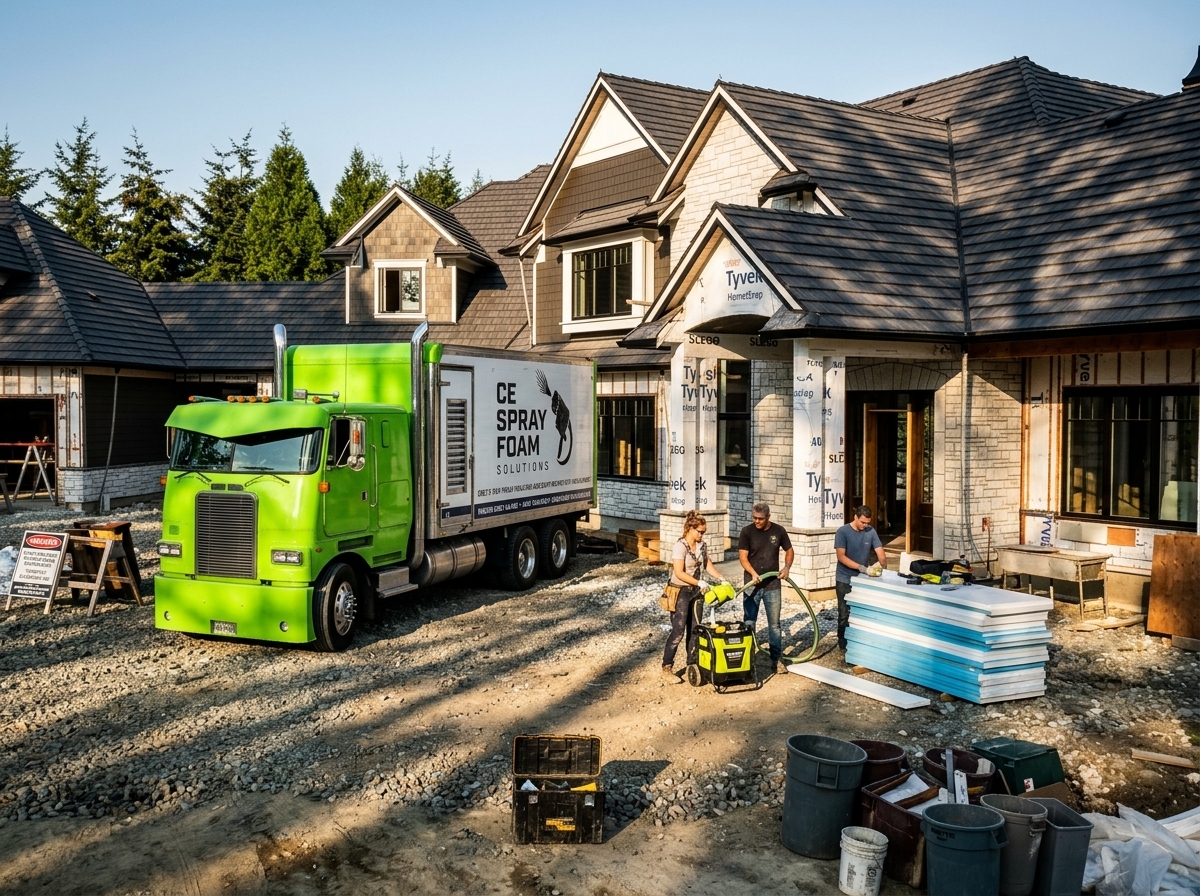
Weighing the costs of DIY against hiring a pro can be tricky. Understanding potential expenses and savings helps make an informed choice.
Hidden Costs of DIY Projects
DIY might seem cheaper initially, but hidden costs can add up. Mistakes in installation may require purchasing additional materials. Moreover, improper application could lead to future damage, increasing expenses.
There are also costs related to equipment rental or purchase. Without professional tools, achieving a smooth application can be challenging. Considering these factors, DIY projects might not be as cost-effective as they seem.
Comparing Professional Installation Quotes
Getting quotes from professionals, like a Certified Foam Master, provides clarity on costs. Professionals offer detailed estimates, helping you understand pricing structures. Quotes include labor, materials, and any necessary equipment.
Comparing quotes ensures you get the best value for your money. Professionals come with experience and expertise, reducing the risk of errors. Ultimately, professional installation might save you money in the long run by preventing costly mistakes.
Long-Term Savings and Benefits
Professional installation offers long-term savings. Experts ensure optimal performance, resulting in reduced energy costs and enhanced comfort. Properly installed spray foam can lower energy bills by up to 50%.
Additionally, professional installations often come with warranties, providing peace of mind. Investing in a professional service can offer significant returns, both in energy savings and reduced maintenance costs.
When to Hire a Professional
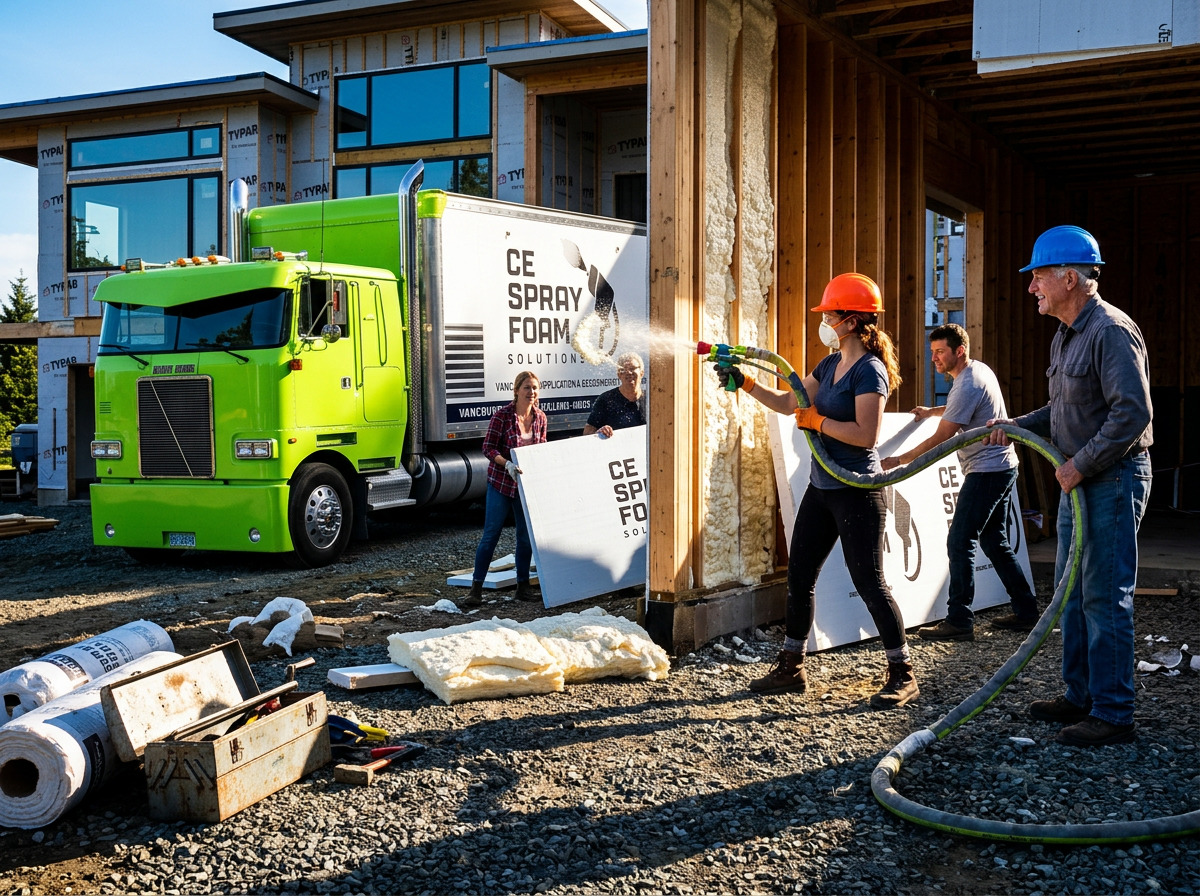
Deciding when to hire a professional can impact the success of your project. Knowing when to seek help is crucial.
Complex Installations and Code Considerations
Complex installations often require professional expertise. Building code compliance can be complicated, especially for large projects. Professionals understand these codes and ensure installations meet all requirements.
Consulting a professional is wise if your project involves intricate layouts or specific building codes. Their experience and knowledge ensure a smooth, compliant installation, avoiding potential legal issues.
Benefits of a Certified Foam Master
A Certified Foam Master brings a wealth of expertise and reliability. These professionals are trained in the latest techniques, offering high-quality installations. Their certification is a testament to their skills and knowledge.
Working with a Certified Foam Master provides confidence that your project will be completed to the highest standards. Their proficiency minimizes risks and maximizes the benefits of your insulation.
Free On-Site Assessments and Quotes
Many professionals offer free on-site assessments and quotes, providing a clear understanding of the project scope and costs. These assessments help identify specific needs and tailor solutions to your situation.
Taking advantage of free assessments ensures you’re informed and prepared. A detailed quote outlines expenses and allows for informed decision-making. Investing in a professional evaluation can save time and money in the long run.
Frequently Asked Questions
What safety equipment is needed for DIY spray foam?
You will need goggles, gloves, a respirator, and a coverall suit to protect yourself from chemicals and skin irritation during the application process.
How important is ventilation when installing spray foam?
Ventilation is crucial to dissipate fumes released during the curing process. Proper ventilation reduces health risks associated with off-gassing.
What are the benefits of hiring a Certified Foam Master?
Certified Foam Masters offer expertise and reliable installations. They ensure compliance with building codes and provide high-quality results, potentially saving on future costs.
Recent Comments