
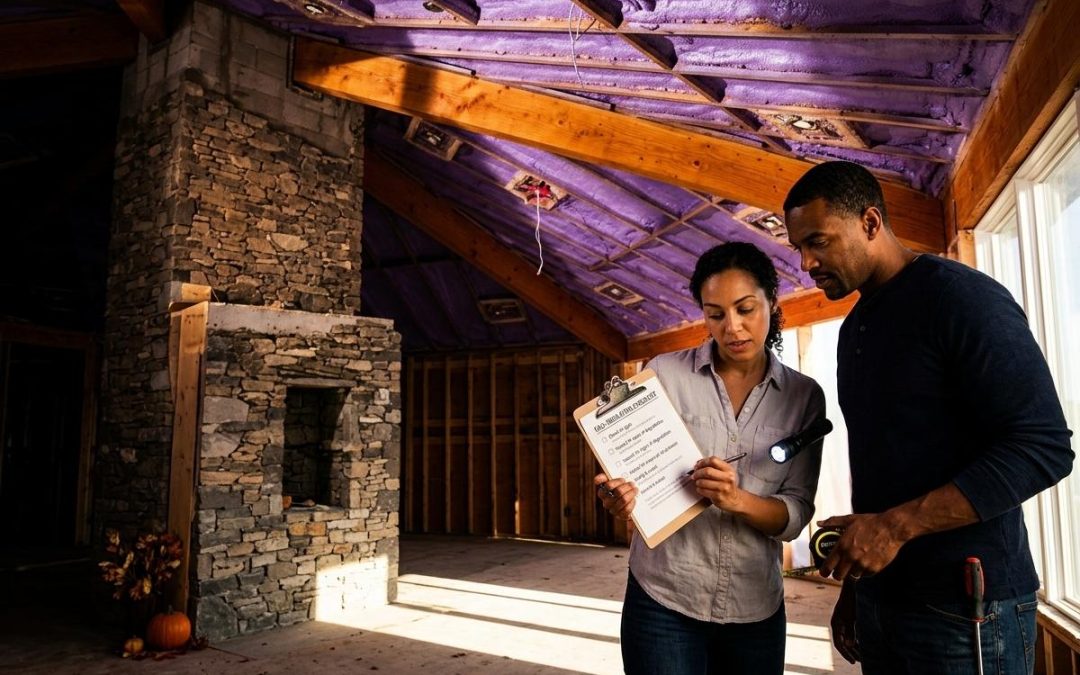
Fall’s chill creeps in early on Vancouver Island, and your insulation could already be struggling. Missing spots, air leaks, or damp areas quietly drain your comfort and hike energy bills. This early fall insulation checklist helps you spot common issues, try simple fixes, and know when to call a certified spray foam insulation Vancouver Island expert like CE Spray Foam for lasting results. For more information, visit this page.
Key Signs Your Insulation Needs Attention
As you prepare for cooler days, recognizing when your insulation needs help is crucial. How do you know if your home’s insulation is falling short?
Drafts and Cold Spots
If you feel drafts or notice cold spots, your insulation may not be doing its job. Drafts can sneak in through the smallest of cracks, often around windows, doors, or baseboards. A room that never seems to warm up might be telling you something. It can be a sign that the insulation is thin or missing in that area. Check these spots on breezy days or when the temperature drops. Pay attention to how different rooms feel, especially those with exterior walls.
Unusually High Energy Bills
Has your energy bill jumped unexpectedly? This could mean your insulation isn’t as effective as it once was. Insulation plays a vital role in keeping your home temperature stable, reducing the need for heating. If you notice a spike in costs, it might be time to inspect your attic or walls. Investing in a thermal imaging inspection can reveal where heat loss is occurring. This step could save you money in the long run by identifying problem areas early.
Mold or Moisture Indicators
Mold or moisture in your home can signal insulation problems. Insulation should keep moisture from accumulating. If you find dampness, especially in basements or attics, your insulation might be compromised. Look for water stains on ceilings or walls. These can grow into bigger issues if not addressed. Mold not only harms your home but can affect your health. Early detection and action can prevent costly repairs later.
Quick DIY Fixes for Common Issues
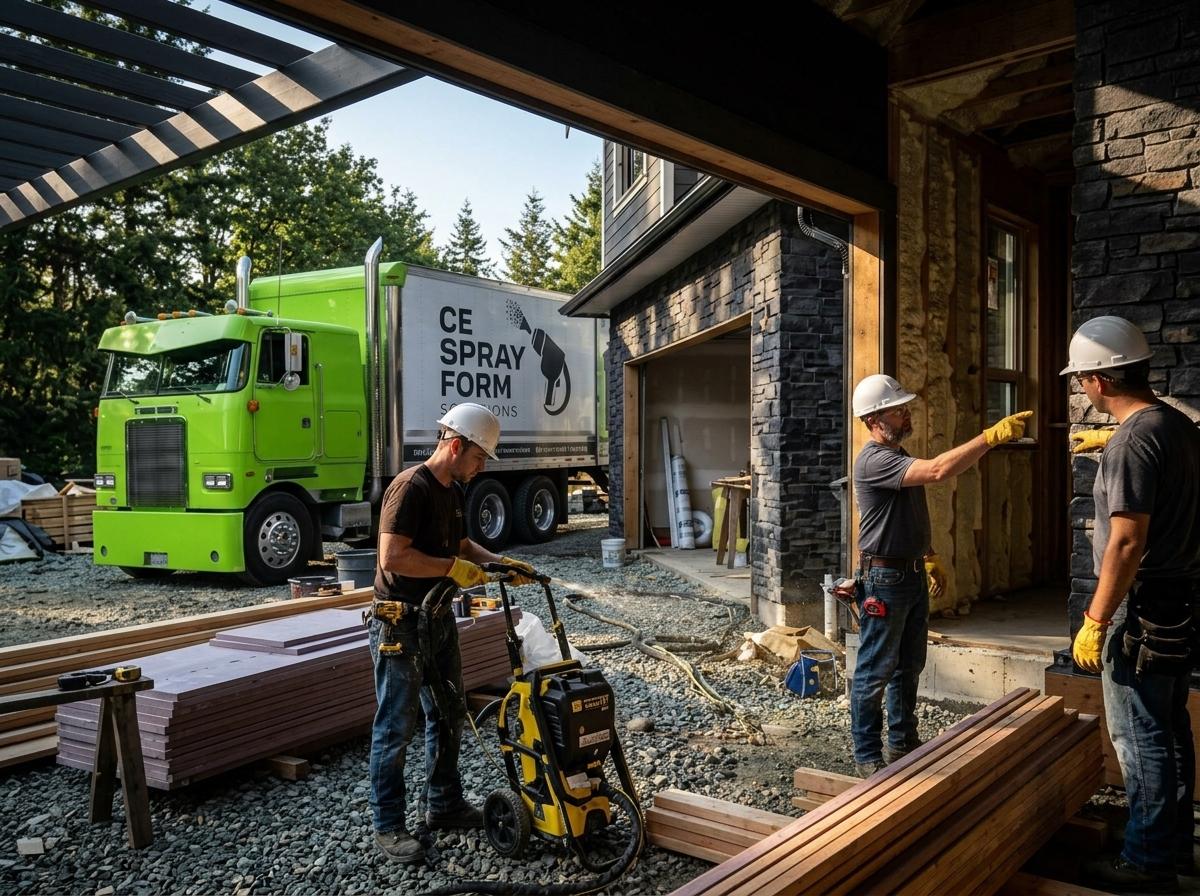
Even small fixes can make a big difference in your comfort and energy usage. Before calling a pro, try these DIY solutions to tackle minor insulation issues.
Sealing Small Gaps and Cracks
Small gaps can let cold air into your home, but sealing them is simple. Start by checking around windows, doors, and any other openings. Use caulk or spray foam to close these gaps. This quick fix can help maintain a consistent indoor temperature. For larger cracks, consider using expandable spray foam. It’s an easy and affordable way to enhance your home’s insulation.
Adding Weatherstripping
Weatherstripping is your ally against drafts. It provides a barrier that prevents air leaks around doors and windows. You can buy strips at most hardware stores; they come in various materials like rubber or foam. Apply them to the edges of doors and windows where drafts are felt. This can significantly reduce heat loss and improve your home’s comfort.
Temporary Insulation Solutions
In a pinch, temporary insulation can offer relief until more permanent solutions are in place. Use heavy curtains or thermal window films to keep warmth in. These solutions are inexpensive and can be easily installed. They may not replace professional insulation but can help reduce drafts and lower energy use temporarily.
When to Call a Certified Pro
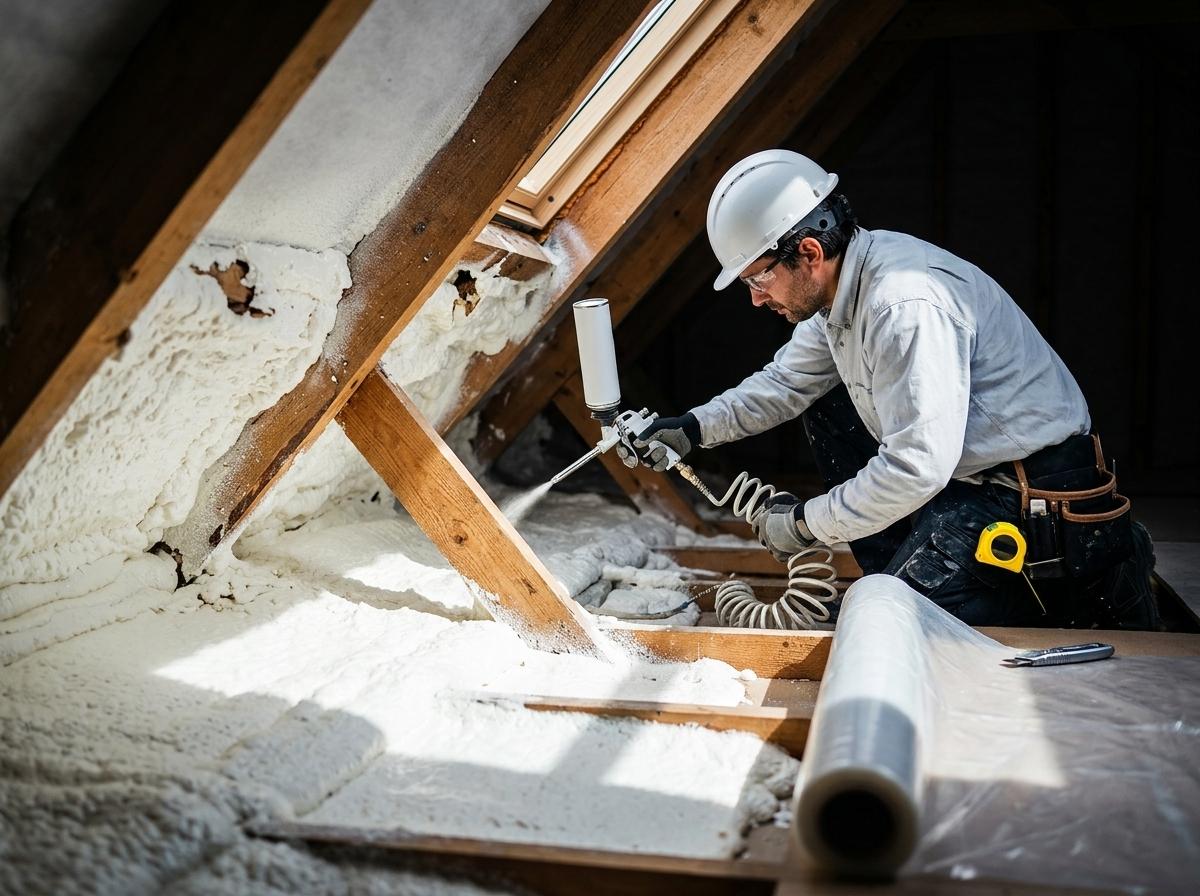
DIY fixes are great, but sometimes professional help is the best route. Knowing when to call an expert can save you time and ensure your home is properly insulated.
Benefits of Professional Assessment
Bringing in a professional provides peace of mind. Certified experts, like those at CE Spray Foam, offer thorough assessments that spot issues you might miss. They have the tools and expertise to evaluate your home’s insulation needs accurately. A pro will recommend the best solutions, tailored to your specific situation, ensuring lasting results.
Choosing the Right Insulation Contractor
Selecting the right contractor is key for successful insulation. Look for certifications and experience, such as being a Certified Foam Master. Reading reviews and asking for references can provide insight into their reliability. A good contractor will offer transparent estimates and discuss options without pressure. Trust and communication are crucial in choosing a service provider.
Scheduling a Comprehensive Inspection
A comprehensive inspection can identify hidden issues before they become major problems. Schedule an inspection with a trusted insulation contractor, like CE Spray Foam, to ensure your home is ready for the season. This step not only enhances comfort but can also increase your property’s value. Don’t wait until it’s too late; proactive maintenance pays off.
Frequently Asked Questions
What are common signs that my home needs insulation work?
Common signs include feeling drafts, noticing cold spots, and seeing a rise in energy bills. Mold or moisture are also indicators that your insulation may need attention.
Can I fix insulation issues myself?
Yes, minor issues like small gaps can be fixed with DIY methods such as caulking or adding weatherstripping. For major concerns, it’s best to consult a professional.
Why should I hire a certified insulation contractor?
Certified contractors bring expertise and experience, ensuring proper insulation installation. They can provide assessments and solutions tailored to your home’s needs, ultimately saving you money and enhancing comfort.
For more information, consider reading Before the First Freeze Sneaks Up on Us, Take a Weekend Afternoon to Tackle the Basics, Signs Your Home Needs Insulation Replacement, and Fall Home Maintenance Checklist: 10 Things to Do Before Winter.
Recent Comments