
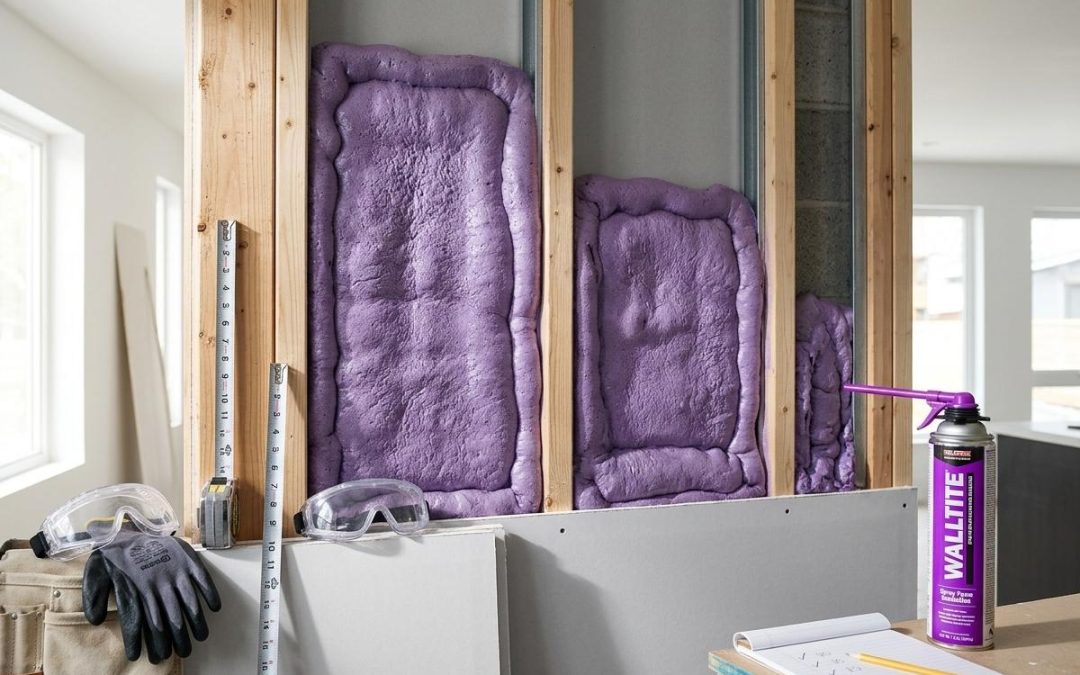
Forget the guesswork on keeping your Vancouver Island home cozy and dry. Old insulation methods often leave drafts and moisture creeping in, driving up your energy bills. Spray foam insulation Vancouver Island homeowners trust—like WALLTITE and ENERTITE—stops heat transfer, seals out drafts, and controls moisture in one step. Let Craig Evans, the island’s only Certified Foam Master, show you how to protect your building envelope and save on energy costs.
Understanding Spray Foam Insulation
Spray foam insulation is a versatile and powerful solution for keeping your home comfortable in cold or warm weather. Learn how this technology works to protect your home and save on energy costs.
Types of Spray Foam
Spray foam insulation comes in two main types: closed-cell and open-cell. Each serves different purposes, so choosing the right one is essential. Closed-cell spray foam is denser and provides a sturdy barrier, making it ideal for areas that need extra protection such as crawl spaces. It acts as both an insulator and a vapor barrier, making it perfect for reducing heat transfer. Open-cell spray foam is lighter and more flexible. It works well for soundproofing and filling irregular spaces. It expands more than closed-cell foam, making it great for areas like rim joist insulation where flexibility is needed.
Benefits for Vancouver Island Climate
Vancouver Island’s climate is unique, with damp and chilly conditions. Spray foam insulation helps you manage these challenges effectively. It seals out drafts and reduces heat transfer, keeping your home warm during cold months. Additionally, it controls moisture, preventing mold and condensation issues. By choosing the right spray foam, you can customize your insulation to meet the specific needs of your home, ensuring year-round comfort and efficiency.
Reducing Heat Transfer and Drafts

When it comes to keeping your home warm, reducing heat transfer is crucial. Let’s explore how different types of spray foam insulation help achieve this.
Closed-Cell vs Open-Cell Foam
Closed-cell foam is ideal for areas requiring high insulation and moisture resistance. Its dense structure creates an effective barrier against drafts, making it excellent for attic insulation. It also prevents moisture from seeping in, which can cause mold growth. Open-cell foam, on the other hand, excels in filling gaps and cracks. It’s perfect for soundproofing spaces such as between floors in a multistory home. This type of foam is less expensive and more suitable for interior walls where moisture isn’t a concern.
Air Sealing and Draft Proofing
Air sealing is one of the primary advantages of spray foam insulation. By expanding to fill cracks and gaps, it effectively stops air leaks. This draft-proofing capability is essential in maintaining a consistent indoor temperature. It not only keeps the cold air out but also prevents warm air from escaping, leading to significant energy savings. With spray foam, you ensure each corner of your building envelope is sealed tight, enhancing overall insulation performance.
Moisture Control and Vapor Barriers

Moisture can wreak havoc on buildings if not properly managed. Spray foam insulation plays a key role in moisture control, ensuring your home stays dry and healthy.
How Spray Foam Manages Moisture
Spray foam insulation is excellent at managing moisture by creating a seamless barrier. Closed-cell foam acts as a vapor barrier, preventing moisture from penetrating your walls and ceilings. This makes it an excellent choice for areas prone to dampness, like basement walls or crawl spaces. By stopping moisture at the source, spray foam helps prevent mold growth and structural damage, protecting your home’s integrity over time.
Protecting Your Building Envelope
Your building envelope is the outer shell of your home, acting as a barrier against the elements. Spray foam insulation reinforces this envelope, making it more resistant to Vancouver Island’s wet climate. This protection extends the life of your home and reduces maintenance costs. With the expertise of a Certified Foam Master like Craig Evans, you can ensure that your insulation is applied correctly and optimally, providing peace of mind and long-term savings.
Frequently Asked Questions
What is the difference between closed-cell and open-cell spray foam?
Closed-cell spray foam is denser and functions both as an insulator and a vapor barrier. It’s great for areas where moisture resistance is critical. Open-cell foam is lighter and more flexible, ideal for soundproofing and filling gaps in less moisture-prone areas.
How does spray foam reduce energy bills?
By sealing gaps and cracks, spray foam insulation prevents air leaks and maintains a consistent indoor temperature. This reduces the need for heating and cooling systems to work overtime, leading to lower energy consumption and reduced bills.
What makes spray foam suitable for Vancouver Island’s climate?
Spray foam insulation provides excellent draft-proofing and moisture control, addressing the damp and chilly conditions unique to Vancouver Island. It helps keep homes warm and dry, reducing the risk of mold and condensation.
Recent Comments