
Spray Foam Cost on Vancouver Island: What Affects Price and Payback
Spray foam insulation can cut your energy bills, but understanding spray foam cost Vancouver Island isn’t simple. Prices vary based on materials like WALLTITE and ENERTITE, plus installation details that affect your return on investment. This guide breaks down what drives costs and how to get the best value for your home or business. Keep reading to see why CE Spray Foam’s certified approach makes a difference.
Understanding Spray Foam Costs
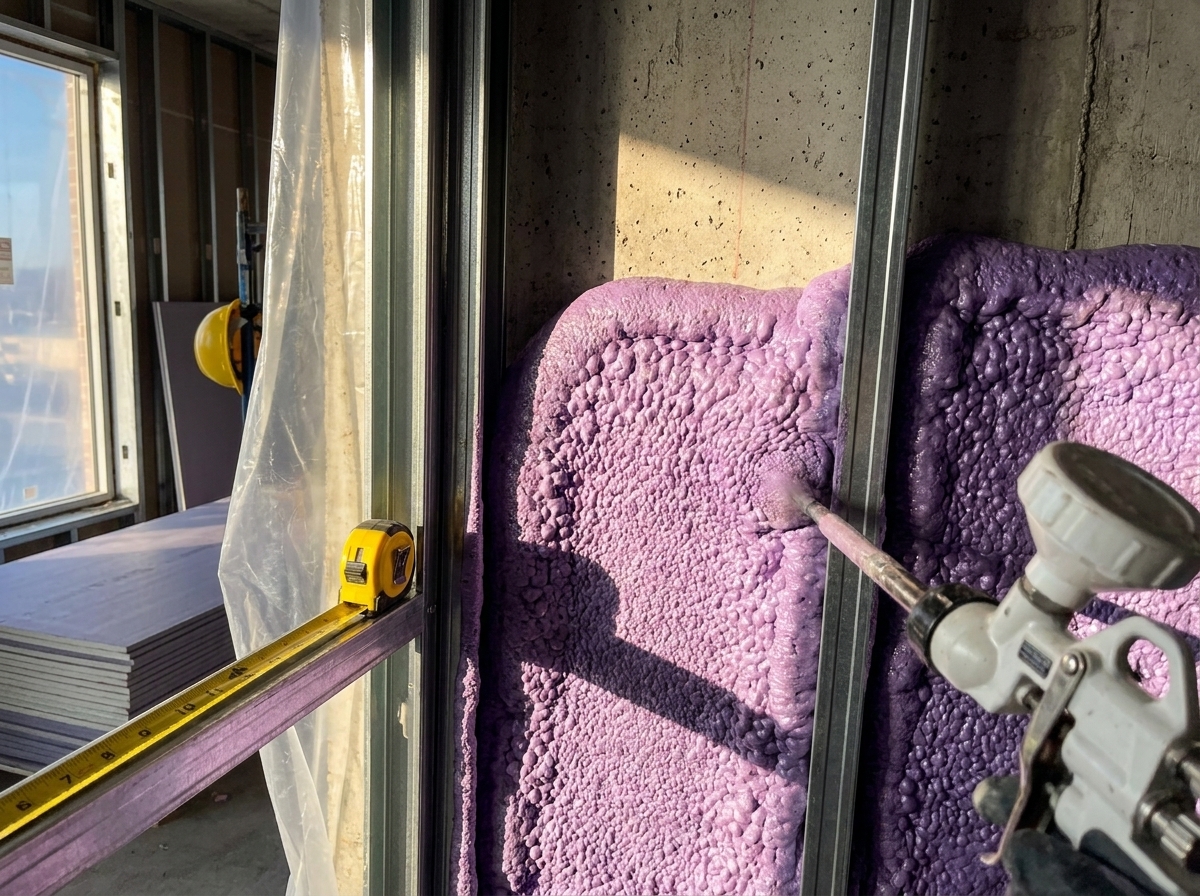
When considering spray foam insulation, it’s essential to grasp what influences its cost. These elements not only affect the price but also determine the potential savings on energy bills over time.
Key Cost Drivers
Several factors can impact the cost of spray foam insulation. The type of material, either closed-cell or open-cell, plays a significant role. Closed-cell foam offers a higher R-value per inch, providing better insulation but at a higher price. The installation process itself, from the area covered to the thickness needed, can also affect costs. Additionally, the location on Vancouver Island might influence logistics and availability.
Another critical driver is energy efficiency. Choosing high-quality materials like WALLTITE or ENERTITE can result in greater energy savings, as they provide superior insulation. It’s important to consider the long-term benefits these options offer when budgeting for your project.
Typical Price Ranges
Understanding what you might pay for spray foam is crucial. Prices typically range from $1 to $1.50 per square foot for open-cell foam, while closed-cell can cost between $1.50 and $3 per square foot. The detailed breakdown of your specific needs will determine the final cost. For instance, attic insulation costs might differ from that of crawl spaces.
In urban areas like Victoria or Nanaimo, prices might slightly vary due to competition and availability. Rural areas might face higher costs due to transportation and accessibility. Always compare local spray foam options to ensure you’re getting the best value.
ROI and Energy Savings
Investing in spray foam insulation can lead to significant energy savings. By reducing air leaks and enhancing insulation, homeowners can save up to 50% on energy bills. This kind of return on investment (ROI) makes spray foam a cost-effective choice over time.
Not only do you save money, but you also increase comfort in your home. With better temperature regulation, your living space becomes more pleasant year-round. The longer you wait to insulate, the more you miss out on these savings. So, why not start improving your home today?
Comparing Spray Foam Options
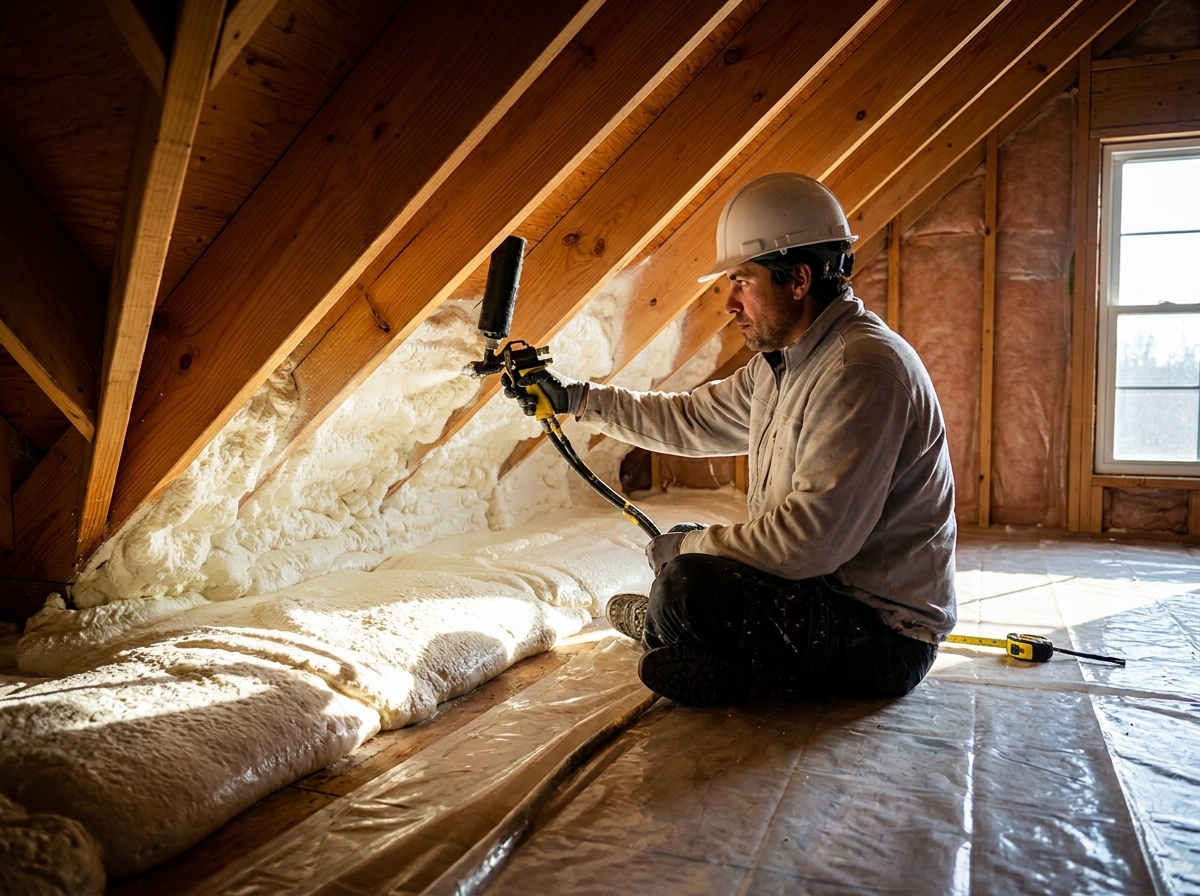
With costs and benefits in mind, it’s time to explore your spray foam choices. Each material type offers unique advantages, catering to different needs and budgets.
Closed-Cell vs Open-Cell Costs
Choosing between closed-cell and open-cell foam depends on your insulation goals. Closed-cell foam is denser, providing higher insulation and better moisture resistance. Its higher R-value translates to better energy efficiency, making it ideal for areas exposed to the elements.
On the other hand, open-cell foam is softer and more flexible. It provides excellent sound dampening and is more affordable. This makes it a great choice for interior applications where moisture isn’t a primary concern. Both options offer unique benefits, so consider your specific needs when deciding.
Benefits of WALLTITE and ENERTITE
Two popular foam materials, WALLTITE and ENERTITE, provide distinct advantages. WALLTITE is known for its superior GREENGUARD and ECOLOGO certifications, ensuring eco-friendly insulation. It also stops moisture, reducing mold risks and promoting a healthier home.
ENERTITE excels in air sealing and soundproofing, making it perfect for improving indoor acoustics. It helps maintain comfortable temperatures, reducing energy bills over time. Each product delivers tailored benefits, fitting different insulation requirements.
Cost-Effective Areas for Application
Targeting specific areas can make your insulation project more cost-effective. Attics and crawl spaces often benefit the most from spray foam, as these spaces frequently contribute to heat loss. Addressing these areas can significantly improve your home’s energy efficiency.
For commercial properties, focusing on building envelopes ensures consistent temperature control, enhancing energy savings. Whether residential or commercial, identifying key areas for insulation can optimize your investment.
Getting the Best Insulation Value

Maximizing your insulation value means more than just choosing the right foam. Ensuring professional installation and taking advantage of available assessments is crucial.
Importance of Certified Installation
Choosing a Certified Foam Master guarantees top-notch installation. This certification ensures that installers are skilled and knowledgeable about the latest technologies. Proper installation enhances performance and longevity, leading to better energy savings.
Free Quote and Assessment
Taking advantage of a free insulation quote can provide valuable insights into your specific needs. A professional assessment identifies areas that need improvement, helping you plan effectively. This step is essential to ensure you get the best value from your insulation investment.
Booking and Priority Scheduling
With demand often high, securing priority scheduling can ensure your project starts on time. Booking early means your insulation work can be completed faster, allowing you to start enjoying energy savings sooner. Don’t delay—plan your insulation upgrade today to maximize benefits.
By understanding the cost drivers and options for spray foam insulation, you can make informed decisions that enhance your home or business. Investing in quality materials and certified installation ensures long-term energy savings and comfort.
Recent Comments