
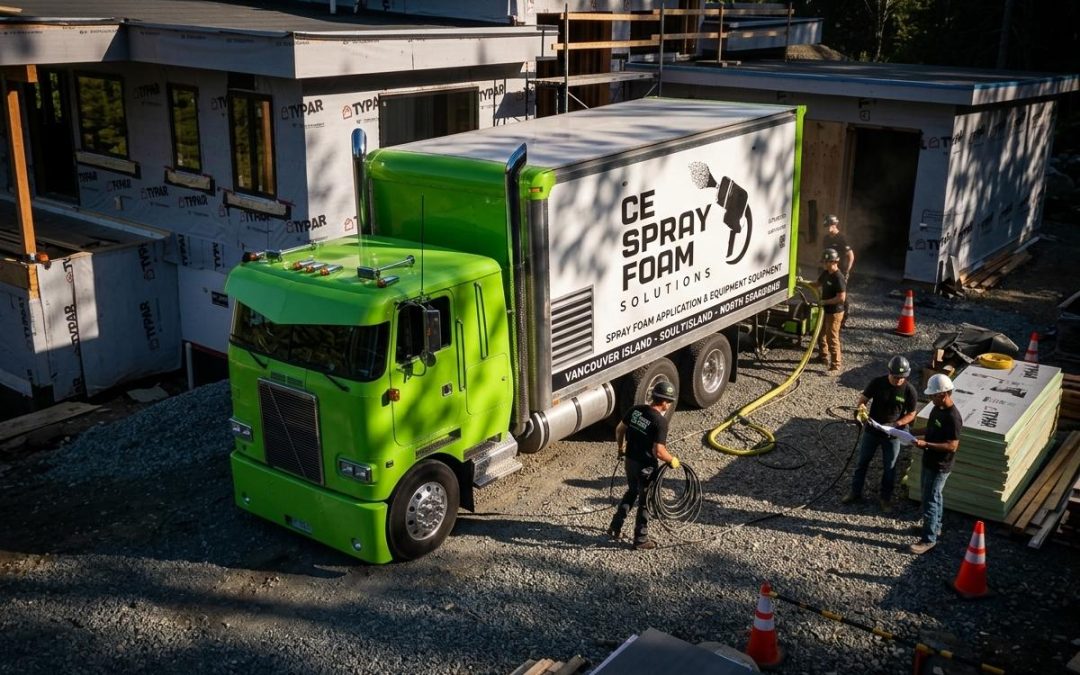
Spray foam insulation kits promise a quick fix for better home comfort and energy savings. But DIY spray foam isn’t always the safe or smartest choice for Vancouver Island homes. Before you pick up a kit, you need to know how it stacks up against professional spray foam installers, the building code rules, and the real performance of products like WALLTITE® and ENERTITE®. Let’s break down what matters so you can make the best call for your property. Check out this video for a deeper look into spray foam kits.
DIY vs. Professional Installers
Choosing between DIY and professional installation is a common dilemma for homeowners. Here’s what you need to know about each option.
Benefits of DIY Spray Foam
DIY spray foam insulation kits can be appealing for their low upfront costs and convenience. You can purchase a kit online or from a local hardware store, allowing you the flexibility to work on your schedule. These kits often come with easy-to-follow instructions and don’t require specialized tools, making them accessible to most handy homeowners.
Another advantage of DIY spray foam is the potential for cost savings. Since you’re doing the work yourself, you can save on labor costs which can comprise a significant portion of professional installation fees. This makes DIY kits an attractive option for those looking to insulate smaller areas or tackle minor projects.
However, it’s important to consider the risks involved. Improper application can lead to issues like air leaks, moisture build-up, or even structural damage. Additionally, many DIY kits may not meet the same standards of professional-grade products, potentially affecting the insulation’s longevity and effectiveness.
Advantages of Professional Installers
Professional spray foam installers bring expertise and experience to the table, ensuring that the job is done right the first time. One of the main benefits is their ability to use high-quality materials like WALLTITE® and ENERTITE®, which are proven to provide superior insulation and energy savings.
Certified installers are also well-versed in local building codes, ensuring compliance and reducing the risk of future problems. They have the skills to work in challenging environments, such as attics and crawl spaces, where precision is crucial. Additionally, professional insulation can offer better long-term performance, often supported by warranties or guarantees.
While the cost may be higher upfront, the peace of mind knowing your insulation meets safety standards and maximizes energy efficiency can be well worth the investment. Many Vancouver Island homeowners find that the expertise and reliability of a professional installer outweigh the initial cost difference, especially for larger projects.
Cost Comparison Insights
When weighing the costs of DIY versus professional installation, it’s crucial to look beyond the initial price. DIY kits might seem cheaper at first glance, but potential pitfalls like improper installation or non-compliance with building codes can lead to expensive fixes down the line.
On the other hand, while professional installation comes with a higher price tag, it often includes additional benefits such as a thorough inspection, precise application, and guaranteed results. Many times, the energy savings from professional-grade insulation can offset the investment over time.
If you’re considering a project on Vancouver Island, it’s wise to evaluate both your budget and the complexity of the job. For extensive insulation needs, such as whole-house or commercial projects, hiring a professional can be more cost-effective in the long run.
Safety and Code Requirements
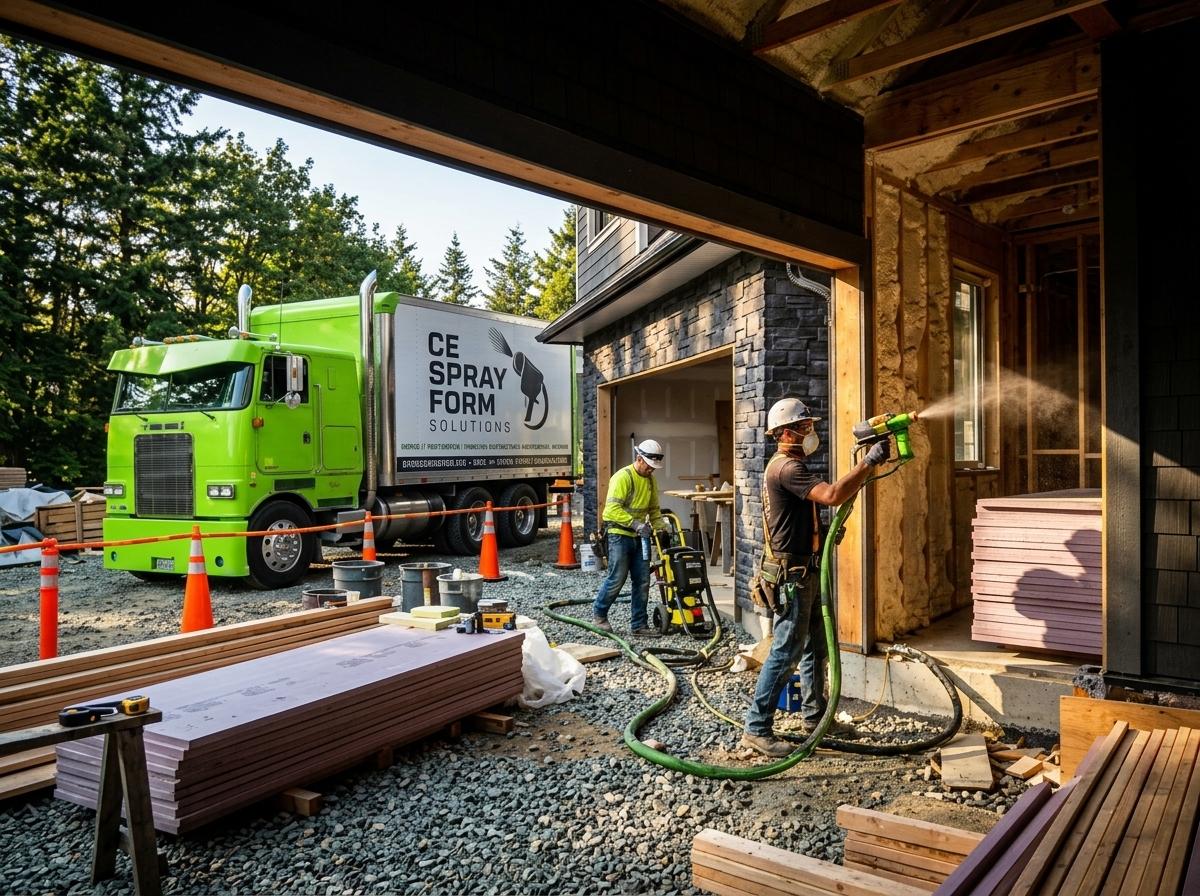
Safety and compliance are paramount when dealing with insulation. Understanding these requirements can save you from future headaches.
Understanding Building Code Compliance
Building code compliance is critical for any insulation project. Codes ensure that your home is safe, energy-efficient, and up to current standards. Professional installers are familiar with these codes and can help you navigate the complexities involved.
DIY projects often fall short in this area due to a lack of knowledge or oversight. Non-compliance can lead to fines or, worse, endanger your home’s safety. By working with a certified installer, you ensure your insulation meets or exceeds the necessary regulations, offering peace of mind and long-term security.
Essential Safety Guidelines
Safety is a top concern when applying spray foam insulation. The chemicals involved can be hazardous if not handled correctly. Professionals are trained to use personal protective equipment and follow strict safety protocols to prevent health risks during installation.
For DIY enthusiasts, adhering to safety precautions is crucial. This includes ventilating the area, wearing protective gear, and understanding the proper handling of materials. Mistakes can result in exposure to harmful fumes or even fire hazards. Prioritizing safety can prevent these risks and ensure a smooth installation process.
Importance of Certified Foam Master
A Certified Foam Master brings a level of expertise and assurance that’s hard to match. These professionals have undergone rigorous training to perfect their techniques and knowledge. Their certification is a testament to their commitment to quality and safety.
Choosing a Certified Foam Master on Vancouver Island guarantees that your insulation project will be handled with the utmost care and precision. It’s an investment in the longevity and efficiency of your home’s insulation, providing the confidence that you’re working with the best in the industry.
Performance and Efficiency
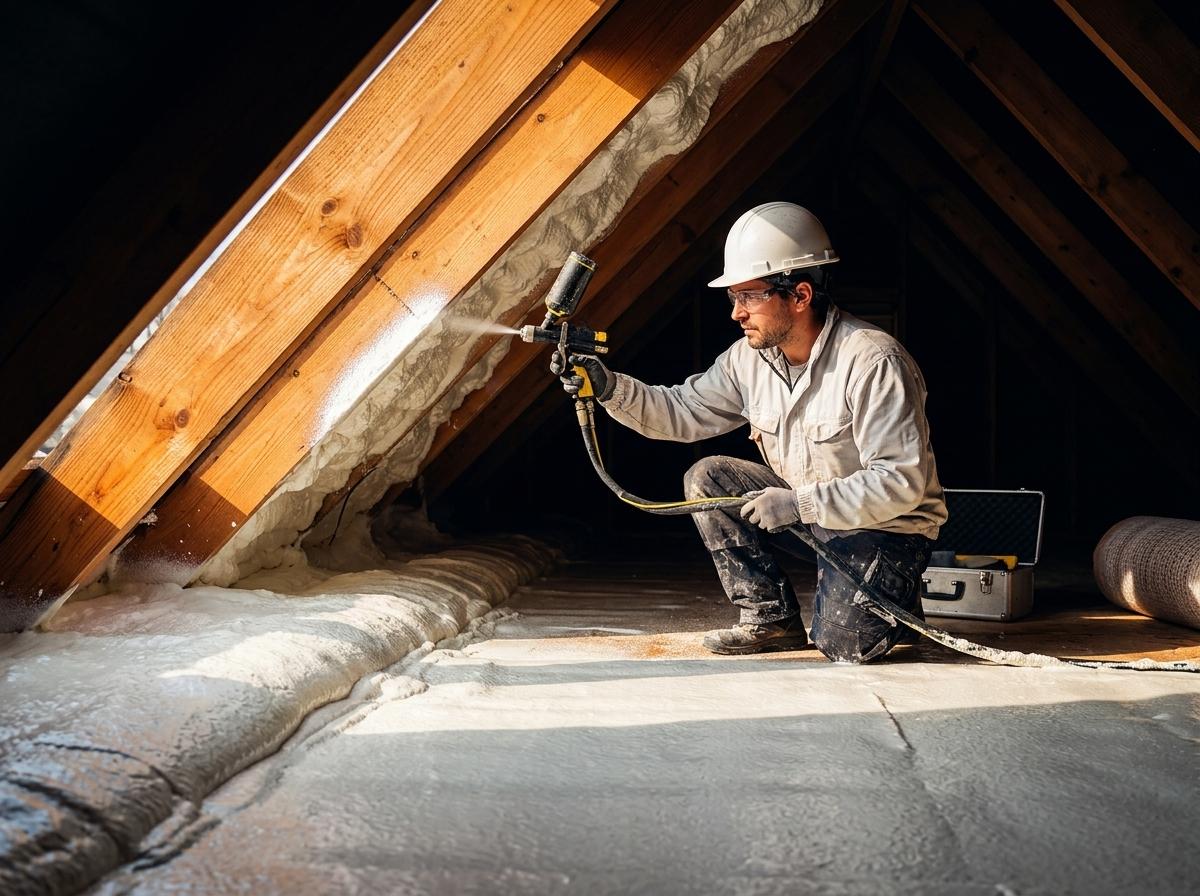
Insulation is more than just filling gaps; it’s about optimizing your home’s performance. Let’s explore how to achieve this.
Comparing Closed-Cell and Open-Cell Foam
Closed-cell and open-cell spray foam offer distinct advantages. Closed-cell foam provides a higher R-value, offering better thermal resistance and moisture barrier. It’s ideal for areas prone to high moisture, like crawl spaces.
Open-cell foam, on the other hand, excels in soundproofing and is more cost-effective. It’s perfect for interior walls where moisture isn’t an issue. Understanding these differences helps tailor your insulation choice to your specific needs, ensuring optimal performance.
For a deeper dive into which type suits your property best, check out this guide on open cell vs closed cell spray foam.
Achieving Energy-Efficient Insulation
Energy-efficient insulation is the goal for many homeowners. Professional products like WALLTITE® offer superior air sealing, reducing energy consumption and lowering utility bills by up to 50%. Such savings can significantly impact your monthly expenses, making professional installation a smart choice for long-term benefits.
DIY kits may seem like a quick fix, but they often lack the precision needed for true energy efficiency. Proper installation by certified professionals ensures every nook and cranny is sealed, maximizing your home’s energy-saving potential.
Soundproofing and Moisture Control Solutions
Soundproofing and moisture control are essential for a comfortable home environment. ENERTITE® excels in filling sound cavities, reducing unwanted noise between rooms and floors. This adds to your home’s comfort, making it a worthwhile consideration for new insulation projects.
Moisture control is another critical aspect. Professional-grade spray foam acts as a vapor barrier, preventing moisture-related issues like mold growth. This protection is invaluable, especially in humid climates like Vancouver Island, where moisture can be a persistent problem.
Frequently Asked Questions
What are the main benefits of professional spray foam installation?
Professional installation offers expert application, compliance with building codes, and superior materials like WALLTITE® and ENERTITE®. This ensures optimal insulation performance, energy savings, and safety.
How does spray foam insulation improve energy efficiency?
Spray foam insulation provides an airtight seal, reducing air leaks and maintaining consistent indoor temperatures. This enhances energy efficiency, potentially lowering energy bills by up to 50%.
Is DIY spray foam insulation safe?
While DIY kits are available, safety risks include improper installation and exposure to harmful chemicals. Professional installers follow strict safety protocols, minimizing these risks and ensuring a safe outcome.
Can spray foam insulation help with soundproofing?
Yes, open-cell foam like ENERTITE® is excellent for soundproofing, reducing noise between rooms and improving overall comfort. It’s a great choice for areas where sound control is important.
What’s the difference between closed-cell and open-cell spray foam?
Closed-cell foam has a higher R-value, offering better thermal resistance and moisture protection. Open-cell foam is more versatile and cost-effective, ideal for interior walls where soundproofing is needed.
Recent Comments